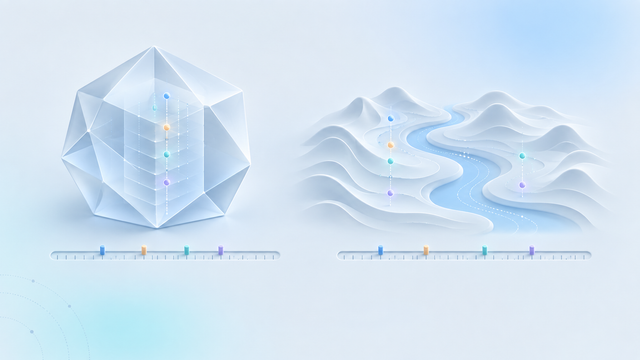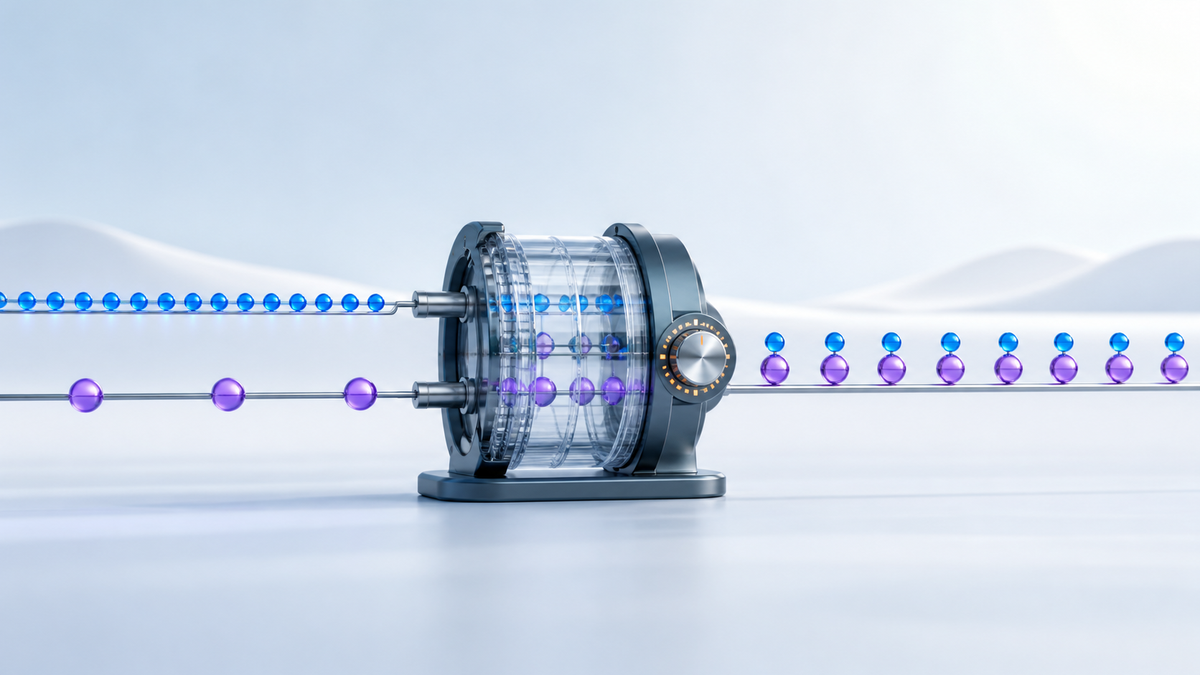
If you have ever worked with environmental data, you know that time does not always line up neatly. One source might log a new data point every minute, while another records results every five minutes or even every hour. Trying to compare or analyze this data without fixing the timestamps can feel like comparing apples to oranges.
Why Time Harmonization Matters
That is where time harmonization comes in. With Datasparks, you can sync timestamps across multiple datasets, making it easier to compare, combine, and analyze your information. Instead of wrestling with mismatched clocks, Datasparks lets you decide how you want to handle the differences so your data behaves the way your workflow requires.
How Datasparks Handles Mismatched Time Intervals
Datasparks gives you flexible options for bringing sources onto the same timeline. You can up-sample to fill in more data points, down-sample to reduce data points to match a slower frequency, take the mean or mode over a defined time window, apply linear interpolation for smoother transitions, or use circular mean for data such as wind direction. The goal is not to force one rigid method on every dataset. The goal is to give you control over how alignment should happen.
A Practical Example
Say your lab collects samples every five minutes, but your real-time sensor streams data every one minute. Do you want to average those five sensor readings so they align with the lab sample? Or would you rather assign the same lab result across all five minutes? With Datasparks, the choice is yours.
The Benefit
The result is cleaner, more consistent data that unlocks better insight. By aligning your datasets in time, you can focus on the patterns that matter instead of spending your effort fighting formatting issues.